How to Make a Seasonal Village Event Feel Like the Whole Day
A seasonal village event can feel like a full day when you plan around its customs, timing, and shared rituals, then leave the rest of the day flexible.
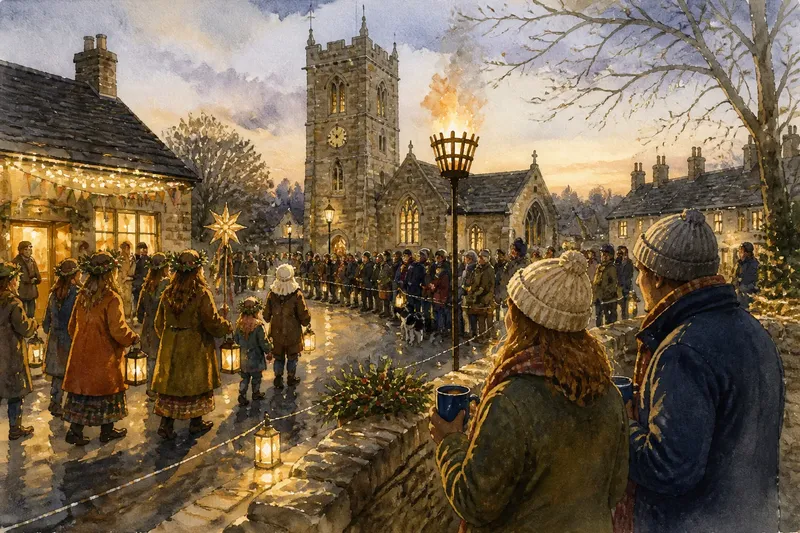
The church bell rings as neighbors carry folding chairs toward the green, and a child is already pointing at the maypole ribbons. A seasonal village event does not need to be the first stop on a packed itinerary. Build the day around its customs, rhythms, and people, and the occasion can feel complete on its own.
That means planning for what makes this event distinct, not simply deciding to do less. A harvest supper has different needs from a midsummer procession or a winter carol service. Knowing what to expect helps you take part comfortably, while a little flexibility leaves room for the moments that make the occasion memorable.
Learn the local rhythm before you go
Village events often have informal details that are easy to miss in a short listing. Check the event page, village noticeboard, or parish newsletter for the order of activities, where people gather, and whether visitors are welcome to join in. If the listing is unclear, contact the organizer rather than guessing about access or etiquette.
Look for the custom that gives the event its character. A harvest celebration might invite people to bring produce for a display; a seasonal procession may follow a set route; a village bonfire gathering may have designated viewing areas. These details help you arrive ready to participate without treating the day like a series of attractions to collect.
Pack for the event itself. A small tote can hold a layer, a water bottle, and any item the organizers request. For a church service, bring the usual respectful manners; for an outdoor craft fair, comfortable shoes and a reusable bag may be more useful. Follow posted guidance, especially around livestock, fires, private property, or restricted areas.
Give the main custom enough room
Some traditions have a clear beginning and end. Others unfold at a human pace: people greet one another, children take turns, and a demonstration pauses while the next group gathers. Rather than rushing from one activity to the next, choose the part you most want to be present for and leave a little unassigned time around it.
For a shared meal, ask whether food is provided, whether guests should bring something, and how dietary needs are handled. For a procession, find out where spectators should stand and whether the route is accessible. For a craft or harvest market, decide whether you want to browse, buy a few seasonal items, or simply watch the activity. A modest intention is easier to enjoy than an ambitious list.
Imagine you and a friend are attending a village wassail with an evening procession. The organizer’s notice says guests should gather by the community hall, bring a cup for hot cider, and stay behind the marked route. You pack two cups and warm coats, arrive at the hall, and watch from the public viewing area. When the group returns for songs, you stay for the part that interests you; if the cold becomes uncomfortable, you leave after the procession. The plan supports the custom without requiring another activity to fill the evening.
What should you check before a village event?
Do I need to book or bring anything?
Check the organizer’s current notice for booking, donations, food, and requested items. If it does not say, ask before assuming that walk-ins or outside food are welcome.
How can I tell whether visitors may join in?
Look for wording about participation, public access, or viewing areas, and contact the organizer if the boundary is unclear. At a private farm, church, or community gathering, follow the host’s instructions rather than entering spaces that appear restricted.
What should I do if weather changes the plans?
Check for an official update and identify the event’s own covered area or cancellation notice. Bring suitable layers, but do not treat poor conditions as a reason to ignore safety guidance or enter closed spaces.
How do I make the outing comfortable for a mixed group?
Agree on a meeting point, a simple way to get home, and whether anyone may leave early. Ask about seating, walking surfaces, and accessible facilities if those details matter to someone in your group.
Make a simple event-day plan
A few checks can prevent avoidable confusion. For each item, decide what you will do based on the answer rather than adding more activities to the day.
Opening and gathering time: Check the organizer’s notice; if the start time is confirmed, plan to arrive with time to settle in, and if it is unclear, ask the organizer before setting out.
Booking or entry: Check whether advance booking or a donation is requested; if booking is required, arrange it before leaving home, and if entry is open, follow the posted arrival instructions.
Event customs: Check whether guests should bring food, a cup, or another item; if something is requested, pack it, and if nothing is specified, avoid assuming an item is needed.
Weather and access: Check the forecast and any event update; if the event is proceeding and the route suits your group, dress for the conditions, and if it is canceled or inaccessible, choose whether to stay home or contact the organizer about an alternative arrangement.
Meeting point: Check whether the notice names a public meeting place; if it does, share it with your group, and if it does not, agree on a recognizable public landmark before traveling.
Getting home: Check the available transport and service times; if your planned option is running, share the details with the group, and if it is not, arrange another safe way home or reconsider attending.
Let the season shape the ending
The end of a village occasion may be part of its appeal. A lantern procession can conclude with a quiet walk back through familiar lanes; a harvest meal may leave people lingering over tea; a spring fair may finish when the stalls begin to close. You do not have to turn that natural ending into a prompt to find somewhere else to go.
If you would like to continue socializing, make that choice for a clear reason. A planned meal with relatives or a warm drink at a familiar café can suit the day. If you are adding a stop only because returning home feels too abrupt, consider a slower transition instead: walk to your car together, wait for the bus under shelter, or make tea once you are home.
A seasonal village event feels more complete when you understand what the gathering asks of its guests and what you hope to share. For a seasonal village event, a checked notice, a few considerate preparations, and room to follow the occasion’s own pace are often enough. The useful final check is whether everyone knows how they will leave; once that is settled, you can give your attention to the custom in front of you.